

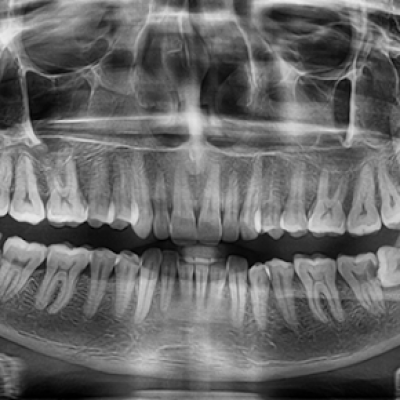
The majority of the people reporting to the dental clinic have various problems like toothache, fractured tooth, bleeding gums, or restriction in mouth opening. The clinical evaluation of these problems manifest as dental caries, periodontitis, abscess, space infection, or impacted third molars. The correct diagnosis of such conditions would lead to the perfect treatment plan.
When it comes to maintaining good oral health, regular dental check-ups are essential. But have you ever wondered why dentists often recommend dental X-rays? Many people feel hesitant or concerned about X-rays, but they play a crucial role in diagnosing problems early and ensuring effective treatment.
1. Detecting Hidden Dental Problems
Not all dental issues are visible to the naked eye. Cavities between teeth, early stages of tooth decay, and hidden infections can be missed during a regular dental exam. Dental X-rays allow dentists to see what’s happening beneath the surface of your teeth and gums, helping to identify issues before they become serious.
2. Monitoring Tooth Development
For children and teenagers, dental X-rays are essential to monitor the growth and development of teeth. They help detect problems like impacted teeth, irregular spacing, or misalignment early on. This enables timely interventions, such as braces or other orthodontic treatments, ensuring proper dental development.
3. Planning Dental Treatments
Whether it’s a root canal, dental implant, or tooth extraction, dental X-rays provide precise information about the structure of teeth, roots, and jawbone. This helps the dentist plan treatments accurately, reducing risks and improving outcomes.
4. Detecting Bone Loss and Gum Disease
Gum disease often develops silently. Dental X-rays can reveal bone loss around teeth, an early sign of periodontal disease, even before symptoms like bleeding gums appear. Early detection through X-rays allows for prompt treatment to prevent tooth loss.
5. Identifying Tumors and Cysts
Though rare, dental X-rays can help detect tumors, cysts, or other abnormal growths in the jaw and surrounding areas. Early diagnosis is key to effective treatment and can even save lives in severe cases.
6. Evaluating Wisdom Teeth
Many people experience problems with wisdom teeth, such as impaction or improper eruption. Dental X-rays help dentists evaluate the position of wisdom teeth and plan extraction if necessary, avoiding pain and complications later.
7. Ensuring Accurate Orthodontic Treatment
For patients undergoing braces or other orthodontic procedures, X-rays provide a clear picture of teeth alignment and jaw structure. This ensures that the orthodontist can plan treatments accurately for the best functional and aesthetic results.
Safety of Dental X-Rays
Many patients worry about radiation exposure from X-rays, but modern dental X-rays use very low levels of radiation. Digital X-rays are even safer, faster, and provide clearer images. Dentists also take precautions, such as lead aprons, to minimize exposure.
Conclusion
Dental X-rays are a vital diagnostic tool that helps dentists detect hidden problems, plan treatments, and monitor oral health effectively. They are safe, quick, and essential for maintaining healthy teeth and gums. Regular dental check-ups, combined with X-rays when needed, ensure that small issues are treated early, preventing more serious dental problems in the future.