

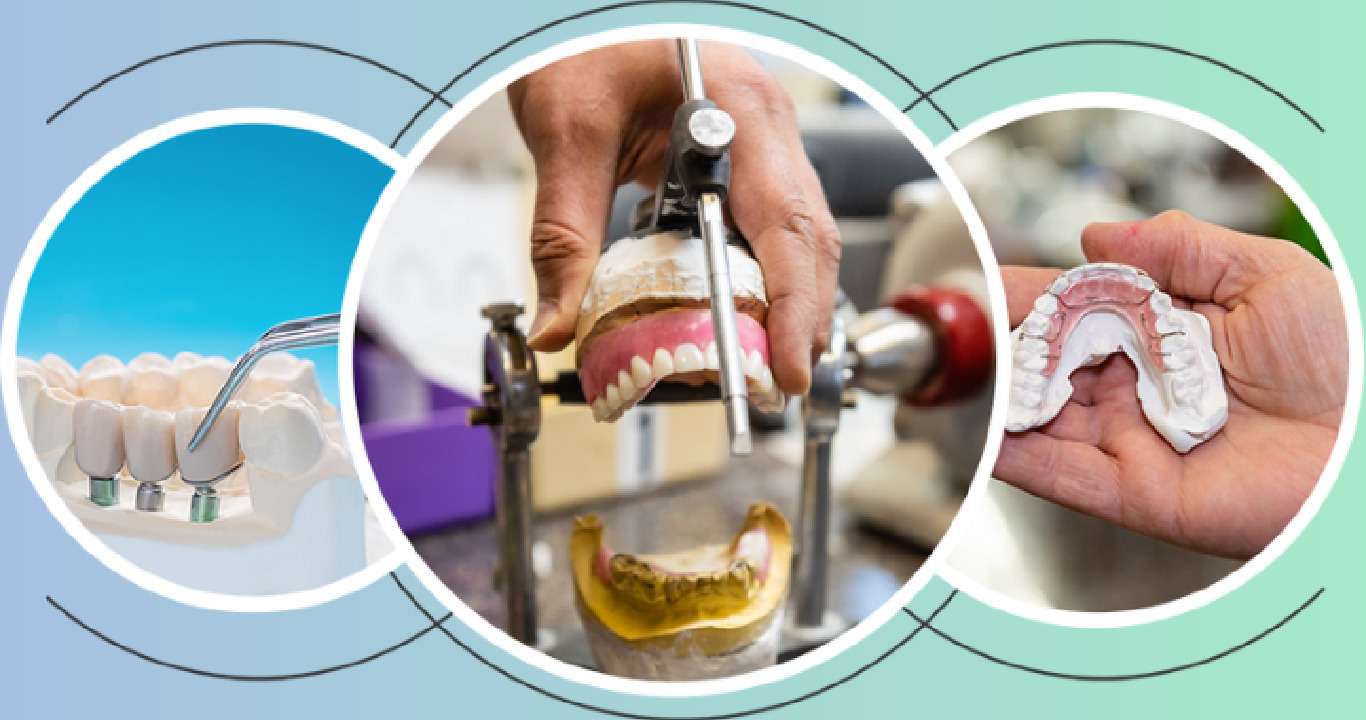
A healthy smile is more than just aesthetics — it reflects strong oral health, confidence, and overall well-being. When a tooth becomes damaged, weakened, or loses its natural structure, one of the most reliable restorative solutions is a dental crown. Also known as crown teeth, this treatment plays a vital role in modern dental care.
In this guide, we explain everything you need to know about crown in dentistry, how it works, why it’s used, and how it can restore your smile effectively.
What Are Crown Teeth?
Crown teeth are tooth-shaped caps placed over damaged, decayed, or weakened teeth to restore:
-
Strength
-
Function
-
Shape
-
Appearance
A dental crown completely covers the visible part of the tooth, giving it a natural look and making it function like a healthy tooth.
Why Are Dental Crowns Used?
Dentists recommend dental crowns teeth in many situations, such as:
-
Broken or fractured teeth
-
Large cavities that cannot hold fillings
-
Weakened root canal-treated teeth
-
Severely worn-out teeth
-
Teeth requiring cosmetic enhancement
-
Replacement teeth attached to dental implants
A crown is often the best option when the tooth structure is too weak to support a regular filling.
Types of Dental Crowns in Dentistry
Different materials are used for crowns depending on strength, durability, and aesthetics.
1. Ceramic or Porcelain Crowns
-
Best for front teeth
-
Blend naturally with your smile
-
Highly aesthetic
2. Metal Crowns
-
Very strong and durable
-
Suitable for back molars
-
Less aesthetic
3. Porcelain-Fused-to-Metal (PFM)
-
Stronger than pure porcelain
-
Good balance between durability and aesthetics
4. Zirconia Crowns
-
One of the strongest crown materials
-
Natural appearance
-
Long-lasting and ideal for both front and back teeth
5. Composite Resin Crowns
-
Affordable
-
Not as strong as other types
-
Usually temporary
Your dentist will suggest the right crown based on your dental needs, location of the tooth, aesthetic goals, and budget.
How Is a Dental Crown Placed? — Step-by-Step Process
Getting crown teeth usually involves two dental visits.
Step 1: Tooth Examination & Preparation
-
Dentist examines the tooth
-
Removes decay or old filling
-
Shapes the tooth for crown placement
Step 2: Impression
An impression of your tooth is taken to create a perfectly fitted crown.
Step 3: Temporary Crown
A temporary crown protects the tooth until the permanent one is ready.
Step 4: Permanent Crown Placement
The final dental crown teeth is cemented in place, restoring full function and appearance.
When Do You Need a Dental Crown?
You may need a crown if you experience:
-
Pain while chewing
-
A cracked, broken, or chipped tooth
-
Sensitivity after large fillings
-
Dark discoloration or aesthetic issues
-
Root canal treatment
A crown in dentistry provides long-term protection and prevents further tooth damage.
Benefits of Getting Crown Teeth
✔ Restores Strength
A dental crown reinforces a weak tooth, preventing fractures.
✔ Enhances Appearance
Crowns improve color, shape, and alignment.
✔ Long-Lasting Solution
With proper care, crowns can last 10–15 years or more.
✔ Comfortable & Natural-Looking
Designed to match your natural teeth perfectly.
✔ Protects After Root Canal
Root canal-treated teeth become fragile — crowns protect them.
How Long Do Dental Crowns Last?
The lifespan of dental crowns teeth depends on:
-
Oral hygiene
-
Eating habits
-
Type of crown material
-
Regular dental check-ups
Most crowns last 10–15 years, while zirconia and porcelain crowns may last even longer.
How to Take Care of Your Crown Teeth
Proper care ensures durability:
🦷 Maintain Good Oral Hygiene
-
Brush twice a day
-
Floss regularly
-
Use mouthwash
🦷 Avoid Hard or Sticky Foods
They may loosen or break the crown.
🦷 Regular Dental Visits
Professional cleaning and check-ups help prolong crown life.
Are Dental Crowns Painful?
Getting crown teeth is not painful. Local anesthesia is used during tooth preparation, ensuring a comfortable experience. Temporary sensitivity may occur but usually disappears within a few days.
Why Dental Crowns Are an Essential Part of Dentistry
Crown in dentistry plays a major role in restorative procedures, including:
-
Protection after tooth decay
-
Smile restoration
-
Strengthening weakened teeth
-
Completing dental implants
-
Enhancing aesthetics
Dentists rely on crowns to save teeth that cannot be restored with simple fillings.
Conclusion
Dental crowns are one of the most reliable and versatile treatments in modern dentistry. Whether your tooth is damaged, weakened, or cosmetically compromised, crown teeth offer a strong, long-lasting, and natural-looking solution.
Understanding dental crowns teeth helps you make informed decisions about your dental health. If you’re considering restoring your smile, consult a qualified dentist to determine the best crown type for your needs.